pearl-marinelife.neocities.org
Lemon Sharks :D
Overview
Lemon sharks ( their scientific name being Negaprion brevirostris) are large, social, tanned sharks mostly found in subtropical coastal waters, specifically around mangroves and coral reefs.
They can grow up to 10ft long and are very playful towards humans with their being one of the smallest casualty rates of most sharks.
The lemon shark species has been around for (an estimated time of) 75-95 million years, however they are vunerable to becoming endangered with their population having depleted by around 50% in the past 50 years.

.......................................................................................................................................................
Diet
The diet of a lemon shark widley cosists of:
- Bony fish, for example mullet, jacks, croakers, and catfish.
- crustaceans (crabs, crayfish).
- Stingrays
- mollusks
- occasionally seabirds or smaller sharks
They are known to eat other lemon sharks (kids) (canniblism) but not often.
- Preferred Prey- Lemon sharks like slow-moving, common prey like parrotfish and mojarras.
- Hunting Behavior- Lemons use electroreceptors (specialized organs that detect external electric fields to find prey) and like to hunt at night better than day.
.......................................................................................................................................................
Habitat
Lemon sharks usually live in warm, shallow, costal areas. Their favourite places to stay are mangrove forests (swampy areas) and coral reefs!
They like subtropical and shallow areas. In fact that's where their name comes from in a way, lemon sharks are called lemon because of their tanned skin which they have to blend into sandy, shallow areas.
They mostly stay in salt water but sometimes go to river mouths.
Juvenile vs. Adult Habitats- Juveniles: Often found in shallow mangrove creeks and mangroves to avoid predation from larger sharks. Adults: Tend to inhabit deeper coastal waters and coral reefs.
.......................................................................................................................................................
Children
Lemon shark children (called pups) are born live in shallow, coastal mangrove areas, normally in litters of 4 to 17 .New borns ussualy measure around 24-26 inches, the pups are immediately independent. They often stay in safe mangroves for several years to avoid predators, including adult lemon sharks. They grow slowly, approximately 5 to 6 inches per year.
Female lemon sharks return to the same nursery areas where they were born to give birth to their own young.
.......................................................................................................................................................
Measurements
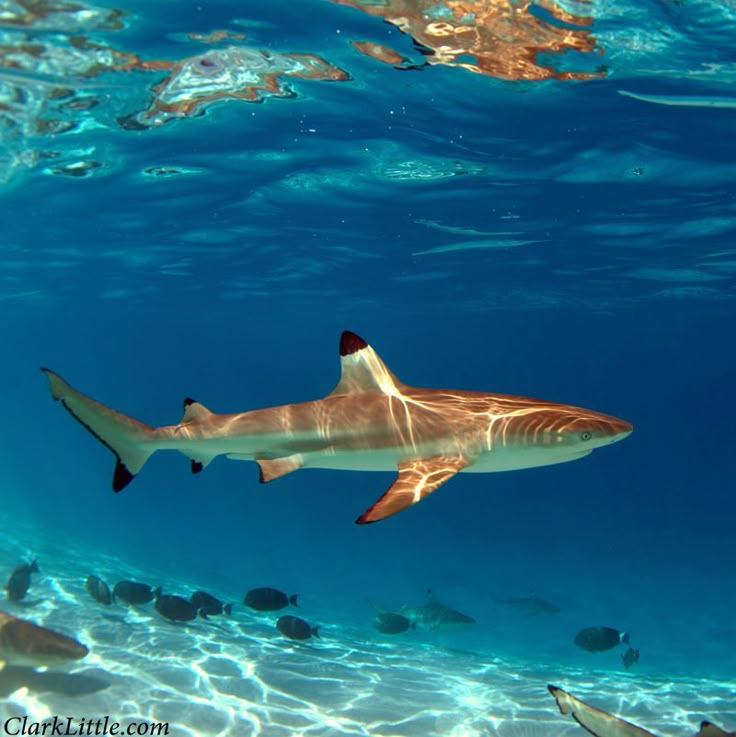
Adult lemon shark measurements -
- Length: 2.4 to 3.1 meters / 7.9 to 10.2 feet
- Weight: 90kg / 200lbs
- (They can occationally reach up to 3.43 meters / 11.3 feet and over 180kg / 400lbs)
- Life Span: 25-35 years
- Speed: often 1.5 mph (2.4 kph) in their habitat. howeve they are capable of reaching up to 12 mph (20 kph) to attack.
.......................................................................................................................................................
Cool Facts :D
Nameing
Lemon sharks get their name from their tanned (yellowey for blending in with sand) skin which sadly fades with age :( .
Buccal Pumping
Lemon sharks have an ability called buccal pumping. Buccal pumping is when a creature forces water over their gills without moving. It allows the lemon shark to breathe while staying still.
Flexibility
Lemon sharks are very silly guys and some when (young) can actually put their tail in their mouth!! :0
Conservation
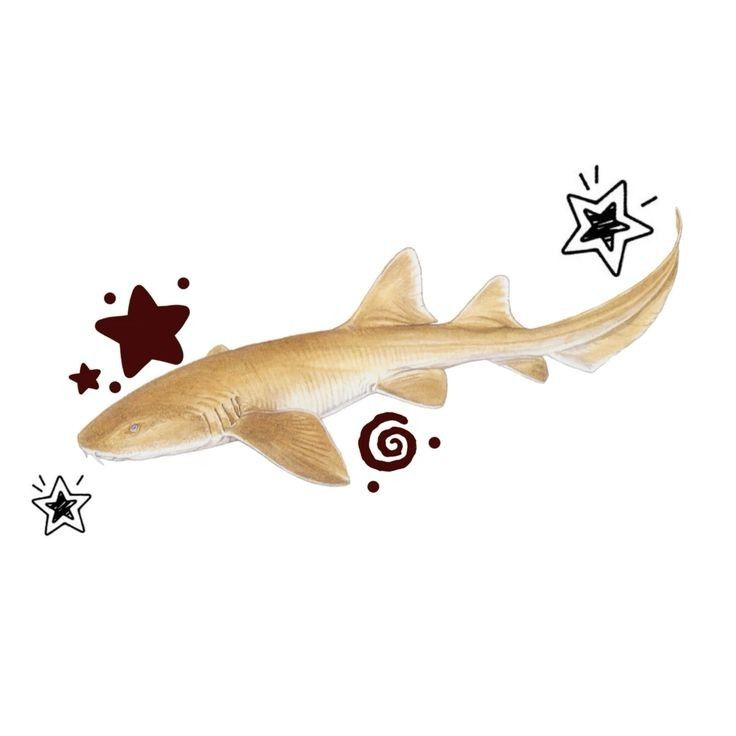
Lemon shark's conservation status is vulnerable.
This is because of:
- Bycatch (Accidental catching in fishing nets)
- Coastal development (mangrove forest destruction)
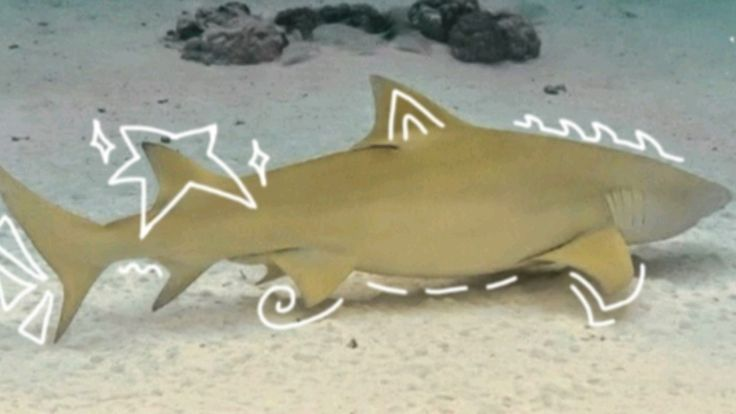
Shark fact files:

Source: https://archive.org/details/acnr-soundtrack
Music by: Yasuaki Iwata (at NINTENDO™)
5am (rainy) from animal crossing new horizons